


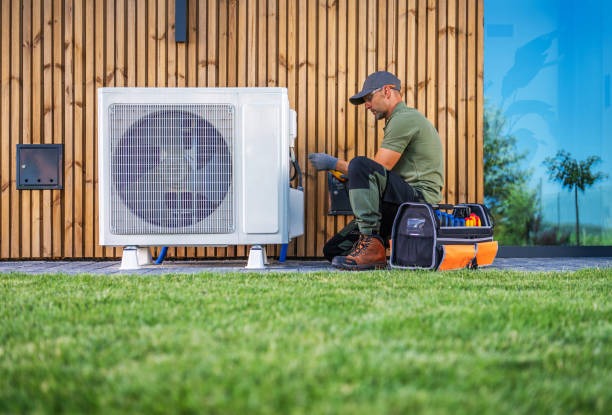
Air conditioning and HVAC (Heating, Ventilation, and Air Conditioning) systems have come a long way from their traditional designs. With advancements in technology and growing concerns about energy efficiency and environmental sustainability, innovative solutions are transforming the way homes are cooled, heated, and ventilated. These innovations not only enhance comfort but also reduce energy consumption while improving indoor air quality.
One of the most notable advancements is the rise of smart HVAC systems. Equipped with artificial intelligence (AI) and machine learning capabilities, these systems can optimize performance by analyzing user behavior patterns and adjusting temperature settings accordingly. Smart thermostats like Nest or Ecobee allow homeowners to control their HVAC units remotely via smartphone apps or voice commands through virtual assistants such as Alexa or Google Assistant. This level of automation ensures that heating and cooling are tailored to individual preferences while minimizing wasted energy.
Another groundbreaking innovation is the integration of zoned HVAC systems. Traditional setups often cool or heat an entire home uniformly, which can be inefficient if certain rooms are unoccupied. Zoned systems divide a house into different areas with independent temperature controls for each zone. By directing conditioned air only where it’s needed, these systems significantly improve efficiency while enhancing read more articles comfort in specific spaces.
Energy-efficient technologies such as variable refrigerant flow (VRF) systems are also gaining traction in residential applications. VRF adjusts the amount of refrigerant flowing through an HVAC system based on real-time demands rather than operating at full capacity all the time. This approach reduces power usage without compromising performance—a key factor for homeowners looking to lower utility bills while reducing their carbon footprint.
Advancements in filtration technology have further revolutionized how HVAC units contribute to healthier living environments. Modern filters equipped with HEPA (High-Efficiency Particulate Air) standards capture microscopic particles like pollen, dust mites, mold spores, and even bacteria—ensuring cleaner indoor air quality for families prone to allergies or respiratory issues.
Renewable energy sources such as solar-powered HVAC units represent another leap forward in sustainable cooling solutions for homes. Solar panels can now directly power air conditioners during peak sunlight hours without relying heavily on grid electricity—making them ideal for eco-conscious households aiming to transition toward greener lifestyles.
These innovations collectively demonstrate how modern-day air conditioning technology is reshaping home environments by prioritizing efficiency, sustainability, convenience, and health benefits—all critical aspects for today’s discerning homeowner seeking smarter ways to stay comfortable year-round.






Leave a Reply